Direct answer: Reconcile the exact vehicle version, kit bill of materials and packing evidence before releasing an SKD pickup shipment to a local assembly partner.
Gate 1: freeze one version and one kit list
Give each destination-market version its own bill of materials (BOM). Mark what arrives fitted, loose, or locally sourced. Record steering position, powertrain and approval-relevant equipment; a shared model name is not enough.
Gate 2: reconcile quantity before packing
Compare ordered kits, BOM quantities, packing-list lines and carton or rack IDs. A useful completeness measure is matched required lines divided by required lines, multiplied by 100. For example, 97 matched lines out of 100 means 97% reconciled, not shipment-ready: the three exceptions still need a written disposition. This is an example, not a Tormays result or universal acceptance threshold.
Gate 3: tie loading evidence to the assembly plan
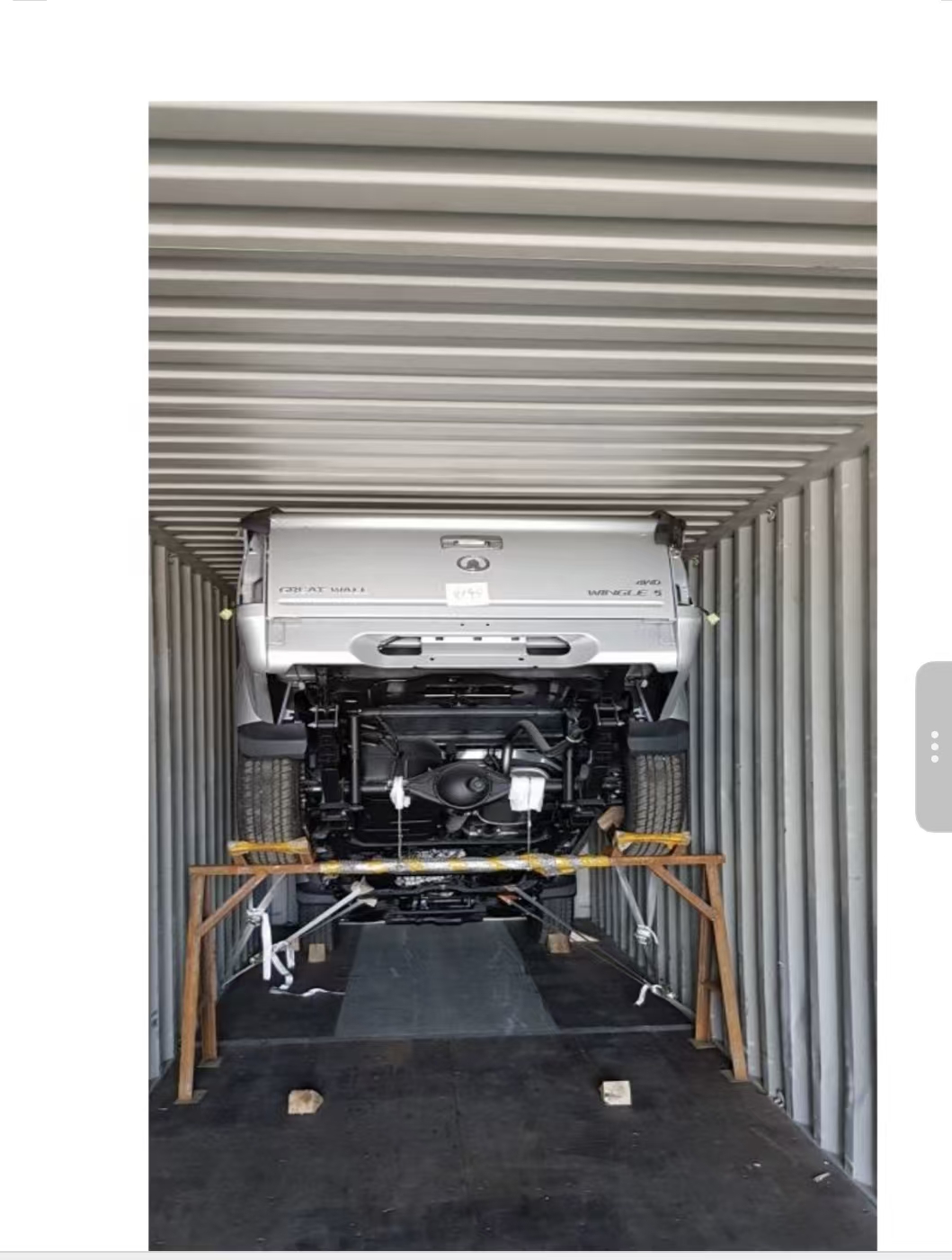
Photograph kit identifiers and restraint points before container closure. Record where fragile, high-value and first-station parts are packed so the receiving team can check and unload them. A loading photo cannot prove every component is present; it must point back to the reconciled list.
A short buyer release checklist
Ask for the signed version/BOM split, exception log, packing list, kit-to-container map, labelled photo set and an owner for shortages found on arrival. Hold only the affected kit or line when evidence is incomplete; agree the remedy in writing.
Evidence boundary
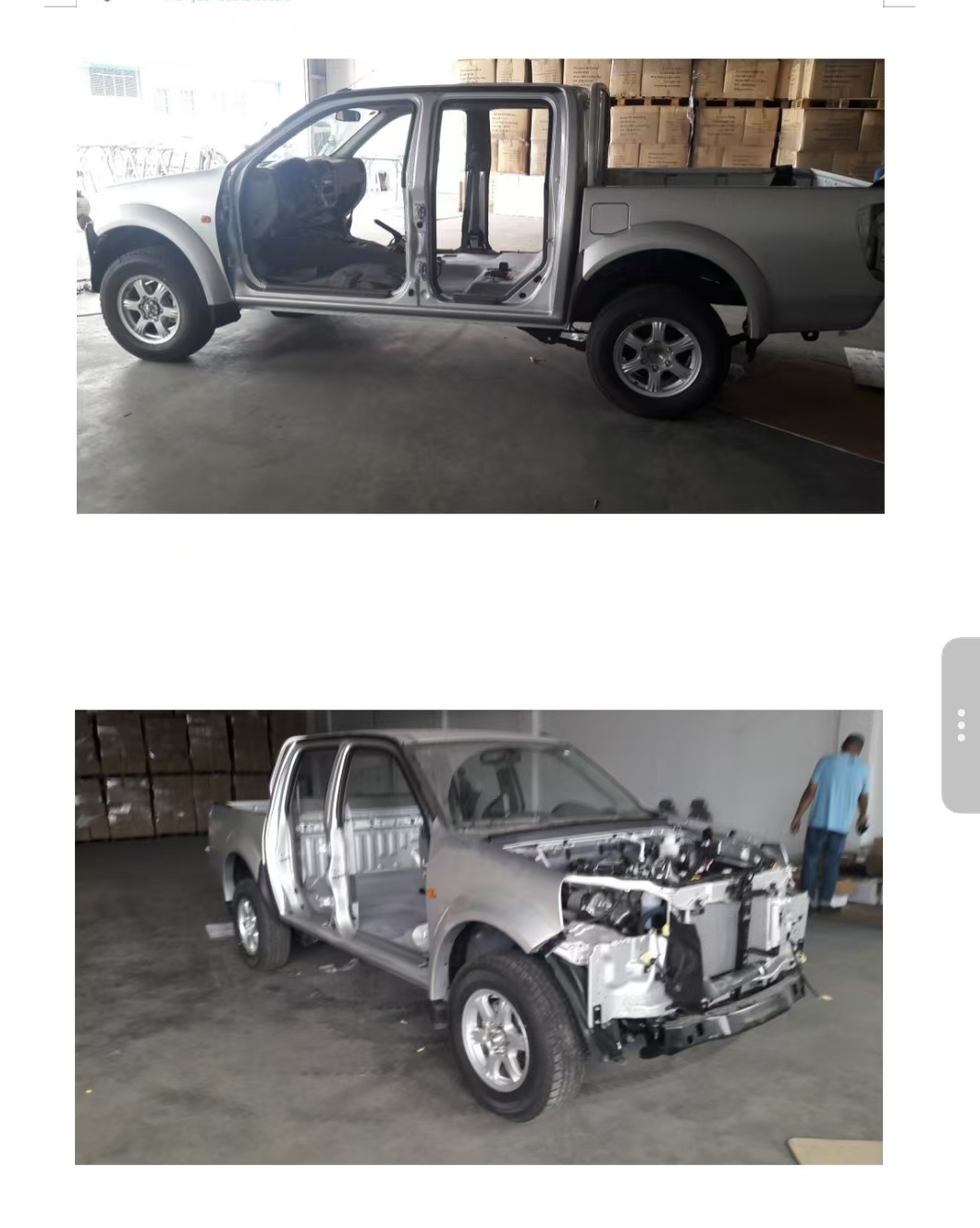
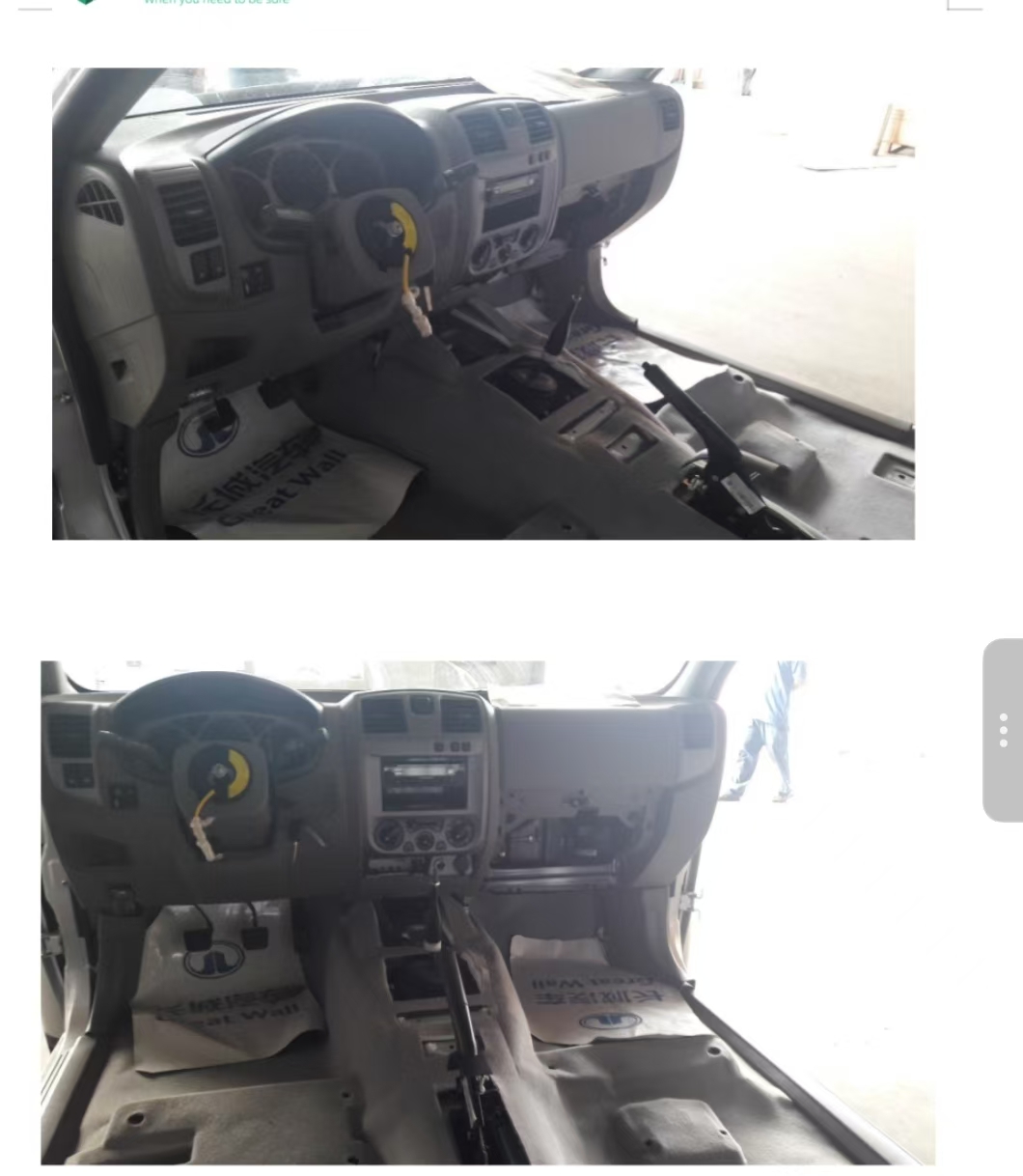
These supplied SKD photos are reference material, not proof of a completed Tormays customer project, current stock or this kit’s completeness. Tormays can coordinate the export-side evidence request; the vehicle source, assembler, buyer and destination authorities must confirm their own technical and regulatory requirements.
Related decision guides
Buyer-specific vehicle export solutions · Export coordination services · Vehicle export FAQ