Commercial case
Target volume, vehicle mix, pricing logic, local value goals and program horizon.
A credible localization discussion connects market volume, assembly depth, facility capability, quality control, legal approvals and long-term parts support.
Target volume, vehicle mix, pricing logic, local value goals and program horizon.
Assembly level, bill-of-material boundaries, local parts, tooling and process ownership.
Space, utilities, material flow, equipment, skills, training and safety systems.
Incoming control, process checkpoints, end-of-line tests, records and issue escalation.
Vehicle approval, plant requirements, customs treatment and local content evidence.
Packing design, shipment cadence, inventory control, damage prevention and replenishment.
These supplied reference images show different physical states that an SKD discussion may need to define: body closure scope, cabin completion, front-end assembly and shipment restraint. They are not evidence of current inventory or a completed customer delivery.
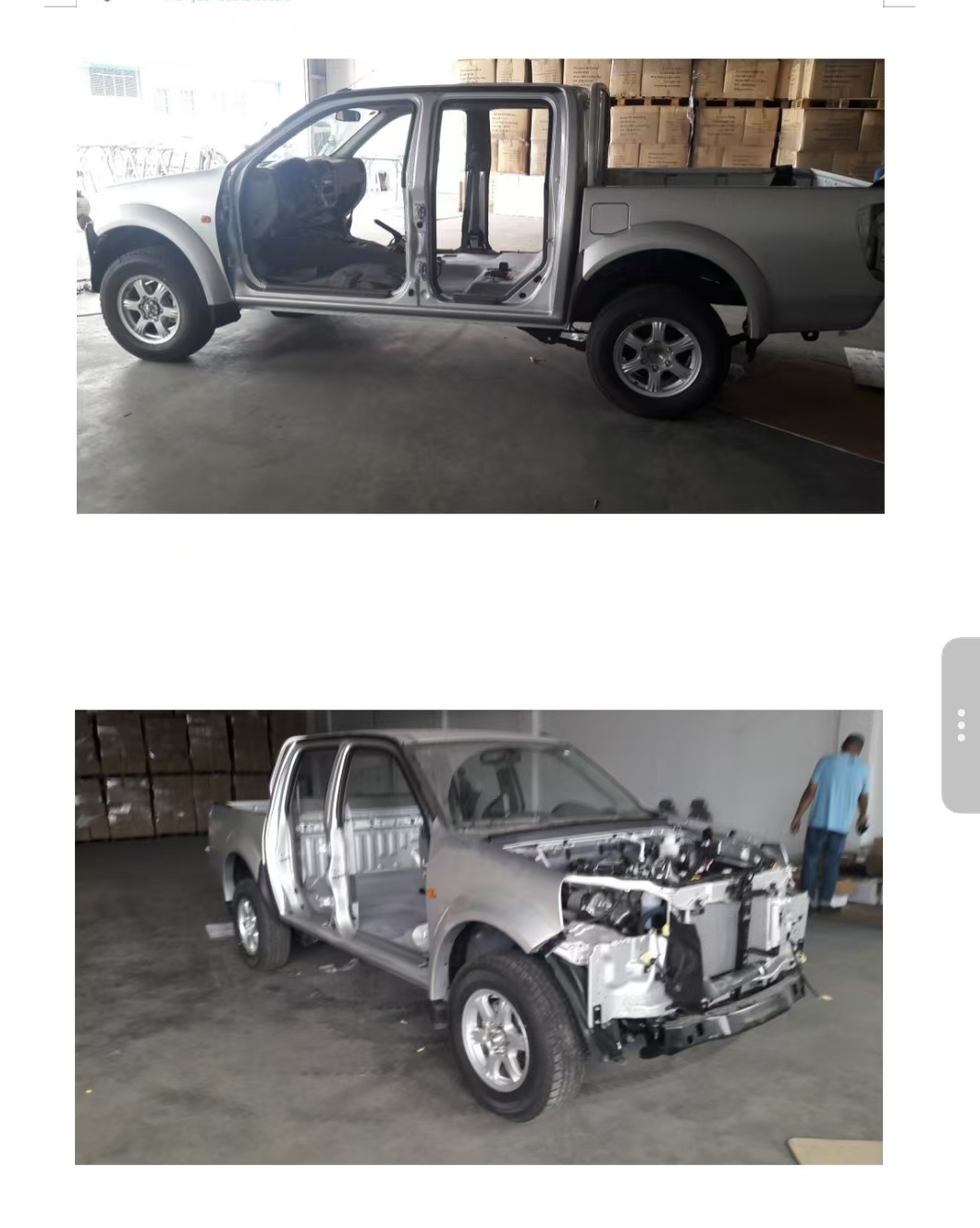
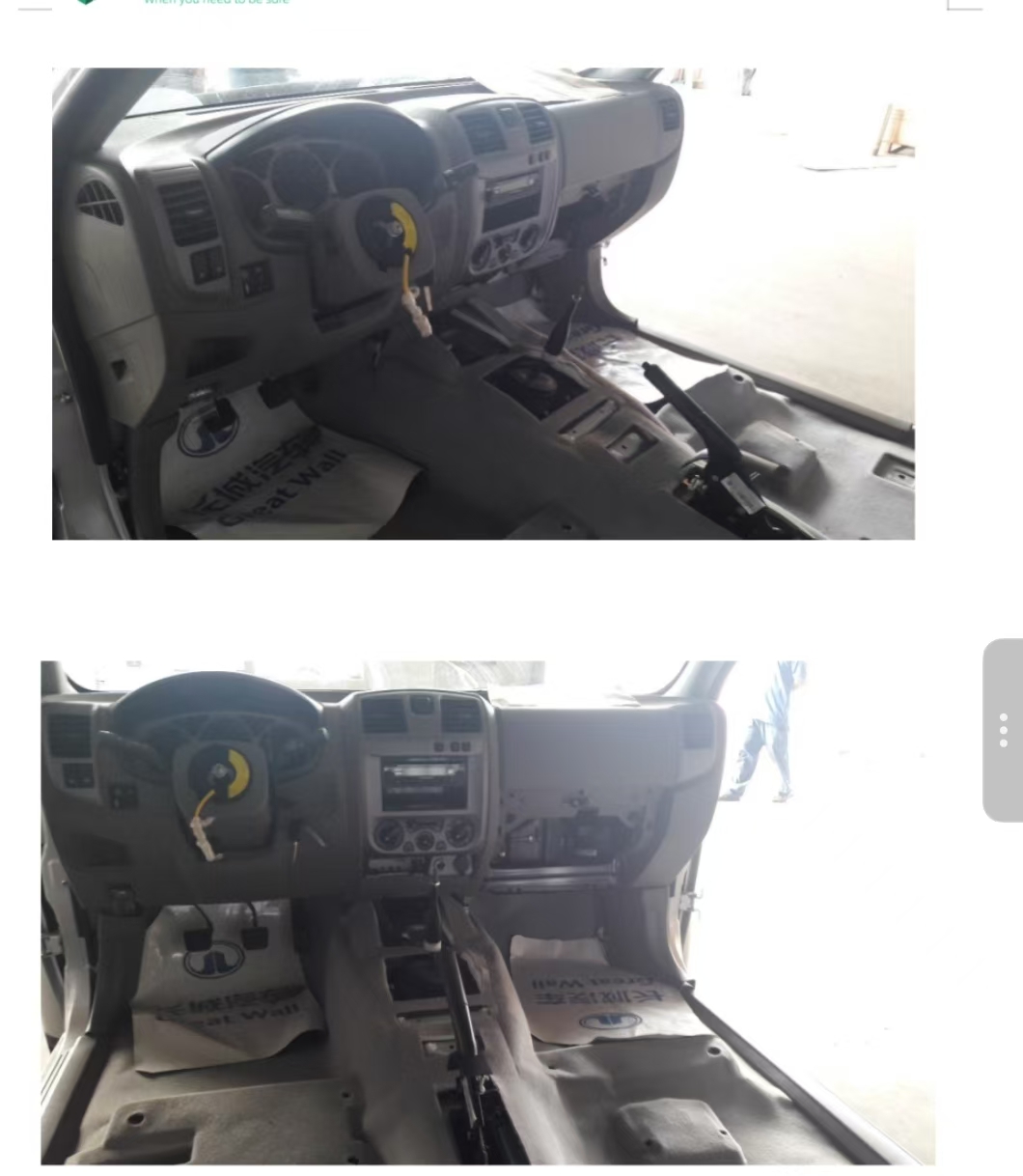
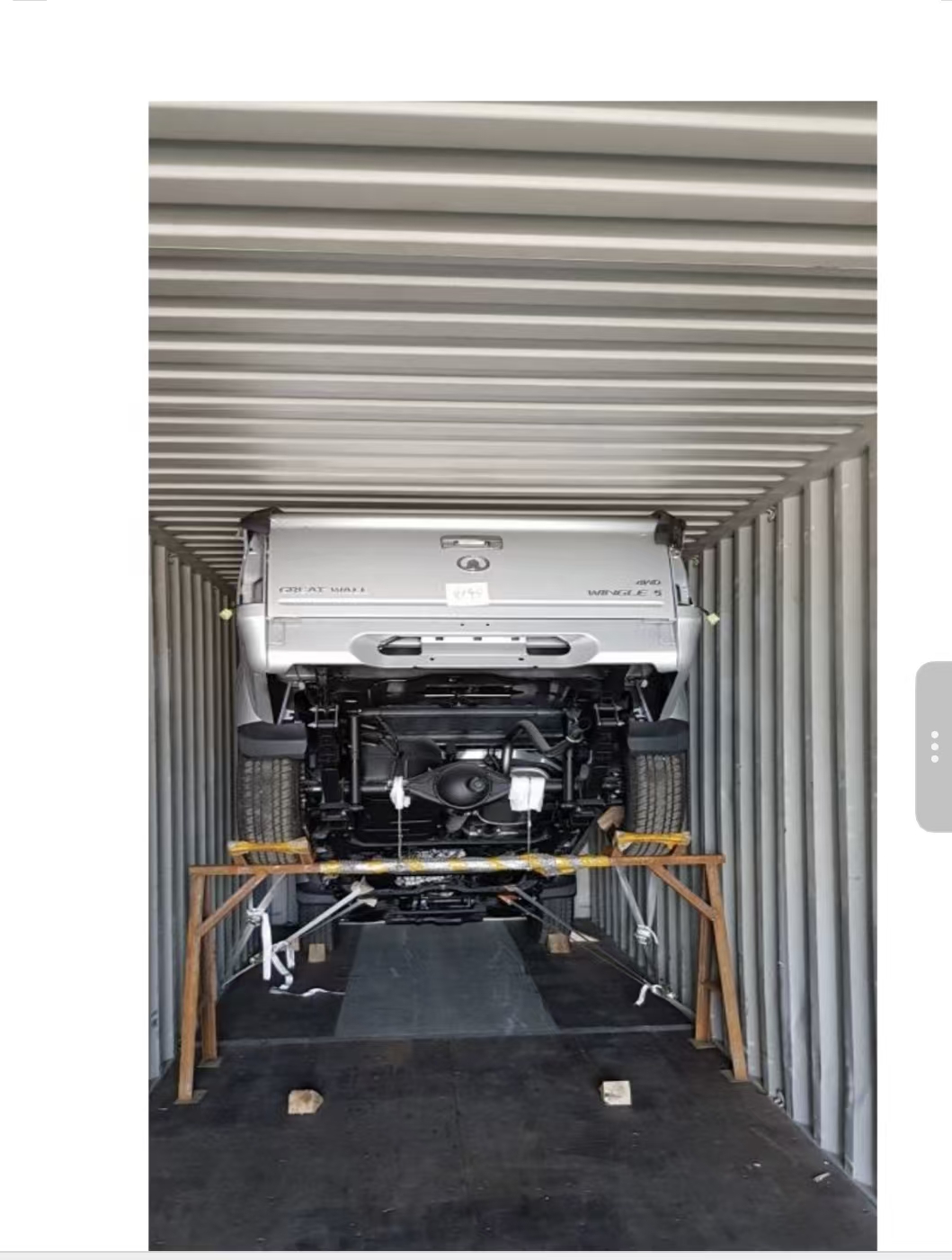
Project reference images supplied for discussion. Exact vehicle version, packing method, assembly scope, tooling and regulatory treatment must be confirmed for each program.
We structure the questions and evidence needed between the vehicle source, local assembly partner, logistics parties and approval stakeholders.
Confirm market volume, policy assumptions, candidate vehicle and the business case before defining equipment.
Freeze the bill-of-material split, process sequence, responsibility matrix, documents, tooling and quality gates.
Review facility gaps, training, packing, inbound control, work instructions, traceability and end-of-line checks.
Use pilot units to close process and documentation gaps before any volume commitment.